The Phases of the Moon and Their Meanings
1. What are the phases of the Moon?
2. What is the correct order of the Moon phases?
3. What is the difference between Waxing and Waning Moon?
4. What does the Full Moon represent?
5. What does the New Moon mean?
6. How can you tell which phase the Moon is in?
7. Do the Moon phases influence people's behavior?
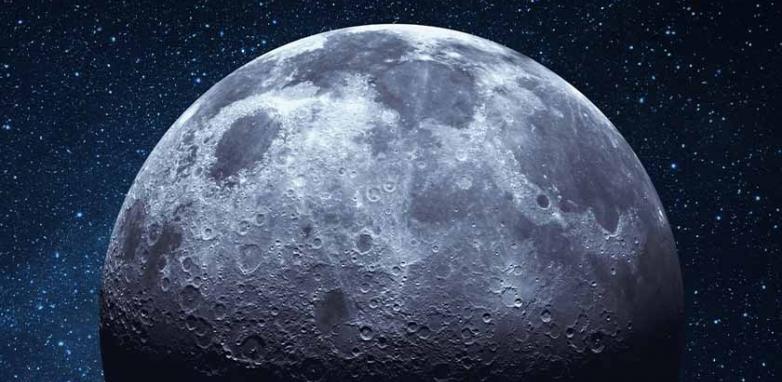
The phases of the Moon correspond to the different visible shapes of the Moon over a period of approximately 29.5 days, caused by the change in sunlight reflected on its surface as the Moon orbits the Earth. This cycle is organized into four major phases, New Moon, First Quarter, Full Moon, and Last Quarter. These represent different moments of beginning, development, culmination, and closure within the lunar cycle.
Ah, the mysterious and inspiring Moon... also known as Sin, Luna, Selene, Isis, Artemis, and many more. There are countless names and mythologies around this celestial body and its phases as seen from Earth, including the famous full, new, and half-moon phases that have fascinated humanity for millennia!
On the physical level, gravity, tides, and the dynamics of bodily fluids are direct examples of its influence. In the energetic or personal universe, especially through the lens of Astrology, the Moon holds deep and varied meanings that can shape our emotions, behaviors, and even our choices.
Prepare yourself to embark on another journey into the understanding of all the potential lunar dynamics can offer us.
What are the Moon phases?
The phases of the Moon are the different aspects shown by Earth's natural satellite over a cycle of about 29.5 days, known as the lunar cycle.
There are 8 phases of the Moon, divided between 4 main phases and 4 intermediate ones.
The main and best-known phases are:
- New Moon;
- First Quarter;
- Full Moon;
- Last Quarter.
The intermediate phases are:
- Waxing Crescent;
- Gibbous Moon;
- Disseminating Moon;
- Balsamic Moon.
These different phases are determined by how much sunlight the Moon receives. The Full Moon is marked by receiving the maximum possible sunlight, while the New Moon receives the minimum.
The Moon completes its cycle, passing through 8 distinct phases, in just under a month.
How do the Moon phases influence life on Earth?
The phases of the Moon have a significant effect on Earth due to the Moon's gravitational pull. The Moon interacts with the volume and dynamics of all fluids present on our planet, including those in plants, animals, and the human body. This impacts tides, animal behaviors, planting and harvesting cycles in agriculture, and even our blood and lymph flow.
In Astrology, the Moon is analogous to various areas such as our emotions, fertility, nourishment, public interaction, business, personal relationships, health, sleep, and more.
Understanding the meaning of each Moon phase can help us align our actions with these natural energies.
The Meaning of the Moon Phases
Most know only the 4 major, or "active," phases of the Moon, New Moon, First Quarter, Full Moon, and Last Quarter. However, there are 4 additional, intermediary phases, known as "receptive": Waxing Crescent, Gibbous Moon, Disseminating Moon, and Balsamic Moon. The last three days of the Balsamic phase are also called the "Dark Moon" by some esoteric traditions, marking the end of the cycle and the approach of the next New Moon.
Examining each lunar phase can provide insight into our physical, emotional, and social unfolding over the entire cycle, as well as guidance for planning short-term cycles and life decisions.
Now that you know the 8 phases, let's explore the meaning of each one and how these stages influence our lives in many ways.
New Moon - Renewal and Beginnings
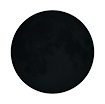
Here, we experience periods of high tide, when the Sun and Moon are in conjunction, their gravitational pull is essentially summed. Astrologically, it’s a time for fresh starts, change, and spontaneity. It's an excellent period to begin new projects, reach agreements, or open businesses. Anything initiated under the New Moon harnesses potent energy that predicts success.
Curious about how the New Moon can support your new beginnings? Check out our complete article on the New Moon and its powerful energy of initiation
Waxing Crescent - Growth and Progress
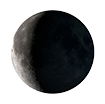
This is the phase between the New Moon and the First Quarter, also called the waxing half-moon.
It's the moment to nurture seeds planted at the New Moon and work towards your goals. A phase of action and development where focus and dedication bring significant progress.
Learn how to make the most of the Waxing Crescent and boost your progress. Read more about the Waxing Moon and the opportunities it brings.
First Quarter - Decisions and Challenges
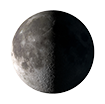
Here, the Moon and Sun form a 90-degree angle, creating a square aspect. The lunar gravity opposes the Sun but does not cancel it out, producing minimal tides.
Astrologically, it's a time of decision, choices made now can have significant impacts. This phase invites us to face our fears and take bold action to move forward.
At a crossroads? Discover how the First Quarter Moon phase can guide you to the best decisions.
Gibbous Moon - Refinement and Reflection
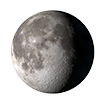
An intermediary phase between the First Quarter and Full Moon.
This is a vital time to review and refine goals and projects begun earlier. The Gibbous Moon encourages us to reflect on what’s been achieved so far and how best to improve and reach our desired level of success.
Let go of what’s not working and refine your process!
Full Moon - Culmination and Fulfillment
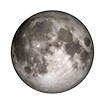
Roughly two weeks after the New Moon, there’s a new Sun-Moon alignment, again bringing high tides. This is the culmination of all previous phases, when everything prepared and executed can now be harvested!
If the process went well, you’ll enjoy the rewards. It is a time of accomplishment, revelation, celebration, gratitude, and manifestation.
The Full Moon energy is intense and may bring deep emotions and important revelations to the surface.
Disseminating Moon - Gratitude and Release
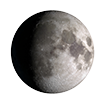
This intermediate phase sits between the Full Moon and the Last Quarter.
Greater understanding among people emerges, allowing us to share knowledge and emotions.
It’s a moment to evaluate what was achieved, give thanks for blessings, and let go of what no longer serves us. This phase favors introspection and prepares us for new cycles.
Ready to release and share your achievements? Discover more about the Disseminating Moon phase and how it can guide your process of gratitude and release.
Last Quarter
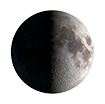
Here, the Sun and Moon’s gravitational influence wanes again!
The Last Quarter Moon, sometimes called "half moon," helps resolve pending issues, close conflicts, and prepare for the end of the lunar cycle. This phase encourages letting go of what’s no longer needed, opening space for new opportunities.
Interestingly, this phase is also considered favorable for surgeries in general.
Balsamic Moon - Rest and Analysis
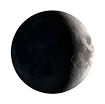
This is the intermediary phase between the Last Quarter and the New Moon.
Here, it is time to pause, unwind, and reflect. It's a phase of rest, focused on self-care and preparation for the new cycle ahead. In the birth chart, this phase can point to a period of healing and spiritual renewal.
Need a moment to reflect and prepare for the next cycle? Discover the benefits of the Balsamic Moon and how this phase fosters healing and spiritual renewal. Learn more about the Balsamic Moon.
Lunar Phases - Influence, Rhythm, and Cycles
Let’s better understand the meaning of the Moon phases through the teachings of Hermes Trismegistus: "everything has its rhythm, everything flows and ebbs, everything rises and falls". Think of nature’s cycles, such as the life of a plant from its initial conception.
Regarding the Moon: sowing the first seed is like the New Moon, a period when the seed settles in the soil, awaiting germination. A fresh start has been established.
The initial steps of the Crescent phase resemble a seedling being drawn out of the earth by the pull of the light. Throughout the next stages, the plant strengthens itself, channelling energy to withstand the elements.
As the First Quarter comes, it’s as if the plant has survived early challenges and is now forming roots. Anchoring its vital force, the plant pushes resources toward growing stems and leaves, with small buds beginning in the Gibbous phase.
During the Gibbous phase, our plant is focused on its purpose. After letting go of the superfluous, it finally blooms. The Full Moon is the conclusion, the final unfolding. The gardener can finally rest, enjoy, and assess their efforts.
As the Full Moon progresses, the flower becomes fruit!
The Disseminating Moon represents harvest. Now, the plant gives back to the earth, nourishing others with what it has produced.
When the Waning Moon approaches, the harvest has ended, abundance shared, and what remains starts to decompose... The cycle is closing.
During the Balsamic phase, seeds are buried again in the soil. What was planted no longer exists in its original form. This is a time of transition. The moonlight is faint and, at the end of this phase, will vanish in darkness during the final three days called Dark Moon, preparing to restart the process with a New Moon.
Ready for another analogy?
Think of a project, it has a beginning, development, challenges, then completion and results. Here's the analogy:
The New Moon is the initiating phase, bringing ideas, planning, and sketches, where something emerges. The Full Moon brings the outcomes.
The First Quarter is about protecting and propelling progress, and the Last Quarter helps close unfinished business to start a new cycle.
Knowing each phase’s significance is key to making the best use of their influence in our lives. This can apply to any situation you may be experiencing!
What is the Lunar Cycle?
Now that you know what each Moon phase means, let’s look at their influences!
Did you know the Moon is the fastest moving object in our solar system? It completes one revolution around Earth in about 29 days, shifting to a new main phase every seven days. From one New Moon to another, it moves about 1 degree every two hours.
Each month, the Moon travels through all 12 zodiac signs, spending about two days in each sign and forming various aspects with other celestial bodies. Each phase can be understood in a different way, and together they paint a mosaic of our lives at any given moment.
These cycles play a vital role in our emotional ups and downs, creating monthly, weekly, daily or even hourly dynamics.
Interestingly, since the lunar cycle lasts 28 days, not 30 or 31, every two or three years there’s an adjustment, resulting in a second Full Moon within the same month, known as the Blue Moon.
What are Lunations?
The lunar month begins with the New Moon, when the Moon and Sun are in conjunction. This marks the start of a new lunar cycle, influencing two opposite houses in your birth chart during that month, pairings such as 1st and 7th, 2nd and 8th, 3rd and 9th, through to 6th and 12th.
Depending on the size of the houses in your birth chart and whether you have intercepted signs, this cycle can vary. For instance, the Full Moon may occur in the house next to where the New Moon began. If a New Moon falls in your 5th house, the Full Moon might occur in the 10th instead of the 11th.
In astrology, the New and Full Moon phases are called Lunations. Lunations can influence matters related to the house where they occur, indicating which possibilities might manifest or which areas of your life could be activated.
It’s important to recall that physically, the Moon doesn’t change shape. What changes is its relationship with the Sun. While the Sun takes 365 days to travel through the zodiac, the Moon does so in about 28 days. On day 29, it aligns again with the Sun, starting a new New Moon.
Each new lunation carries the energy of the sign where the New Moon falls. For example, a New Moon in Scorpio brings the Scorpio lunation. After 28 days, the Sagittarius lunation begins, then Capricorn, and so forth. The three days preceding the lunation see lunar energy building, reaching its peak on the exact day of the New Moon.
Observing lunations in your natal chart offers deep insights into your cycles, helping you align your intentions and actions with the energies present in each phase.
The Moon and the Birth Chart
In each phase, the Moon impacts different areas of your life based on the zodiac sign it occupies and the astrological house it falls in your birth chart. This combination of sign, lunar phase, and houses provides a map of current energies, signaling what type of influence or movement may unfold.
Each lunation starts in a specific sign, it’s important to recognize which house that sign occupies in your chart. Say a New Moon occurs in Leo and Leo is on your 2nd house cusp; the lunation will likely influence themes like finances, self-esteem, and values, traits tied to the second house. Mapping these is essential to understanding where to expect fresh starts, growth opportunities, or challenges in each lunar cycle.
Lunar phases also introduce qualities that directly affect the birth chart. The New Moon is perfect for starting new intentions, while the Full Moon illuminates closure or revelation. By considering the house and sign of the lunation, you see how these elements bring distinct energies and intentions to life areas. For instance, a New Moon in Scorpio activating your fifth house brings creative, romantic, and even children-related matters (all fifth-house topics) into sharp Scorpionic focus.
Also, see whether the Moon makes aspects to other planets in your chart during the lunar cycle. Planetary aspects like conjunctions (when the Moon aligns with another planet) amplify these energies, intensifying areas or themes represented by that planet. A Moon-Venus conjunction, for instance, highlights emotional and relationship matters, bringing new layers of understanding about love and interpersonal connections. This influence is especially strong during New and Full Moons, when these alignments are felt most powerfully.
Tracking these cycles and observing how each lunation interacts with your chart can bring valuable insights and help align your intentions with each phase. For an even deeper experience, consult your personalized horoscope and lunar cycle, which provide detailed descriptions of the influences of each phase and sign, helping you live each moment with greater awareness and purpose.
Find Out Where the Moon Is in Your Birth Chart
The Presence of the Moon in Daily Life
The Moon exerts a powerful and constant influence over various aspects of our lives, especially anything cyclic. Whether starting or finishing a process, from gaining and losing weight, cutting hair, or even nail maintenance, the Moon is always present, shaping and regulating these stages.
Just as breathing consists of inhaling and exhaling to keep us vital, the Moon influences:
- Emotional exchanges: The Moon can make emotional interactions easier or harder, making us more receptive and joyful, or, in other phases, sadder or more melancholic.
- Emotional dynamics: The lunar cycle impacts our moods and how we react to situations.
- Emotional needs: Some phases boost or reduce emotional needs, impacting relationships and well-being.
- Gestation and fertility: The Moon governs fertility and pregnancy, with studies noting increased births during the Full Moon.
- Metabolism and appetite: The Moon affects hunger, digestion, and how we absorb nutrients, directly impacting weight loss and gain.
- Cravings and food perception: Our perception and craving for specific flavors or foods will shift according to the lunar phase.
- Tides and Body Fluids: The Moon regulates tides and the movement of fluids in plants, animals, and human beings, including blood and lymph.
- Sleep quality: The Moon influences sleep and dreams. For example, favorable aspects between the Moon and Neptune bring peaceful nights, while tense aspects between the Moon and Uranus may cause insomnia.
- Real estate activities: Good Moon-Saturn aspects favor real estate exchanges and house repairs, while tense Moon-Pluto aspects are ideal for getting rid of what no longer serves.
- Productivity: Tense Moon-Mercury aspects may lead to backlog and low output, while tension between the Moon and Neptune can bring distraction and lack of focus.
- Drying and preservation: The Moon also interferes in drying materials and the shelf life of fruits, vegetables, and plants, either extending their conservation or accelerating spoilage.
- Precipitation and weather: The lunar halo is said to signal approaching rain, illustrating the Moon's role in weather patterns.
- Social activity: The Moon inspires (or reduces) our desire to socialize, filling or emptying places like bars, concerts, or restaurants.
- Health and recovery: The Moon can increase or decrease swelling, edema, and bleeding, impacting post-surgery recovery periods.
- Business activities: Commerce and any field involving public interactions are strongly influenced by the Moon phases.
- Romantic encounters: Good aspects between the Moon and Venus favor romantic dates, and the sign hosting the lunation can enhance or reduce love and intimacy’s appeal.
- Beauty of the night: Finally, the Moon beautifies and illuminates our nights, creating a magical scene that influences both nature and our mood.
If you want to explore how the lunar phases can influence your life, why not check your Lunar Cycle on Astrolink? Discover how the Moon’s position during each phase and sign can offer valuable insights into your relationships, career, and self-knowledge.
FAQ - Questions About the Moon Phases
What are the phases of the Moon?
The four main phases are the New Moon, Waxing Moon, Full Moon, and Waning Moon. They repeat in a continuous cycle and indicate varying levels of the Moon’s illumination seen from Earth.
What is the correct order of the Moon phases?
The lunar cycle begins with the New Moon, followed by the Waxing Moon, reaching the Full Moon, and ending with the Waning Moon before a new cycle starts.
What is the difference between Waxing and Waning Moon?
The Waxing Moon occurs as illumination grows, symbolizing expansion and development. The Waning Moon happens as illumination decreases, signaling periods of closure, review, and endings.
What does the Full Moon represent?
The Full Moon marks the highest point of lunar illumination. It is linked to the culmination of processes, heightened emotions, and greater awareness of situations that have been unfolding since the New Moon.
What does the New Moon mean?
The New Moon marks the beginning of the lunar cycle. The Moon is not visible at this time, symbolizing new beginnings, planning, and setting intentions for the next cycle.
How can you tell which phase the Moon is in?
You can determine the current phase by observing the Moon’s illuminated shape in the sky or by consulting a lunar calendar. On Astrolink, you’ll find this information and daily personalized tips for each phase relevant to your Lunar Cycle and your Birth Chart.
Do the phases of the Moon influence people's behavior?
In astrology and many spiritual traditions, Moon phases are associated with emotional fluctuations, natural rhythms, and patterns of behavior. These effects vary from person to person, depending on how the lunar cycle connects to your Birth Chart.