Zodiac Sign Symbols and Glyphs: Origin and Meaning
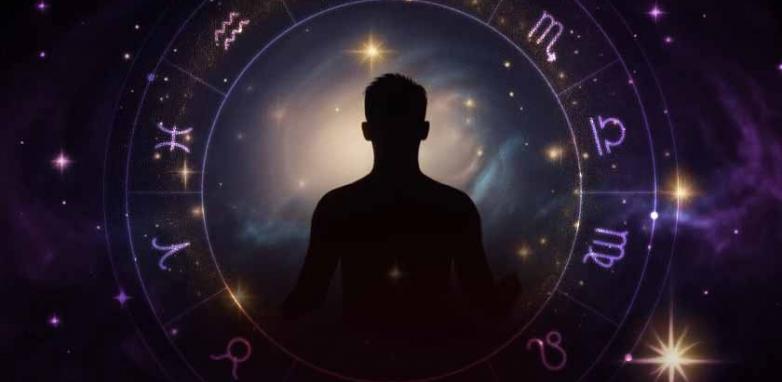
The symbols of the zodiac signs, known as astrological glyphs, are ideograms that visually synthesize the essence of each sign. They emerged between 1000 BC and 700 BC, within the context of the Mesopotamian 12-sign zodiac, and function as symbolic abbreviations of ancestral images linked to animals, mythical figures, and celestial phenomena.
Even before written words, images and forms already expressed the cycles of nature, invisible gods, and the forces that seemed to govern time. Astrology, as a celestial language, was born among these attempts to understand and represent the movement of the stars, and with it emerged the first images associated with the signs of the Zodiac.
More than simple drawings, the symbols of the signs carry layers of meaning, bringing together oral tradition, astronomical observation, and symbolic imagination. Each sign has its own visual representation, which emerged from different cultural contexts and transformed over the centuries until reaching the glyphs we use today.
What are astrological glyphs and where do they come from?
The tendency toward visual synthesis appeared in Astrology mainly during the emergence of the 12-sign zodiac, between 1000 BC and 700 BC, when the need to represent celestial cycles found graphic expression in simple yet meaningful symbols.
Each astrological symbol holds an ancestral visual heritage: traces of ancient cultures that shaped the way we observe the sky and translate its movements into language, myth, and image.
It is from this history that astrological glyphs were formed. To make the representation of images easier, these ideograms were created by suppressing lines from a drawing in order to make transmission faster. This resource, widely used in linguistics, was present in Egyptian hieroglyphs and Mesopotamian cuneiform writing, and still appears today in languages such as Mandarin and Japanese.
The symbols of the 12 signs: meanings and origin of each glyph
Aries symbol: the Ram
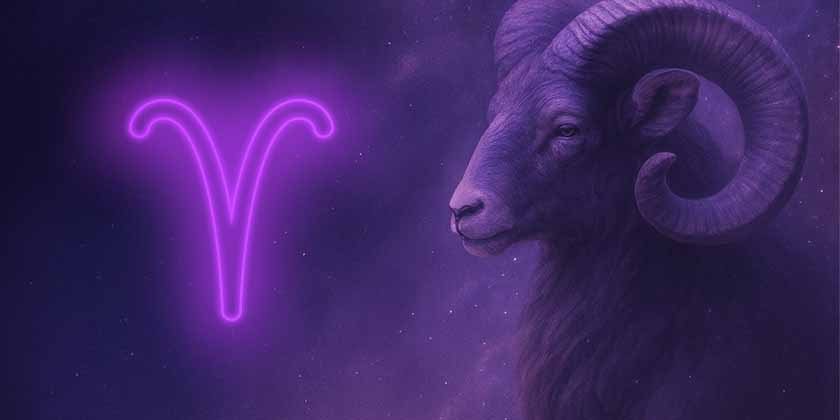
The image of the ram representing Aries was revered even before the Mesopotamian Zodiac, appearing in an ancient zodiac from Mohenjo-Daro, in Pakistan. Over time, this representation became established in the 12-sign zodiac and came to be associated with the shearing season, which coincides with the arrival of spring in the Northern Hemisphere.
The Aries glyph is a stylization of the animal’s face, highlighting the curved horns as if drawing the force that emerges from the head. The ram represents the beginning of the zodiac cycle: the vital force that breaks through winter, opens new paths, and begins processes with courage.
Learn more about the Aries sign
Taurus symbol: the Bull
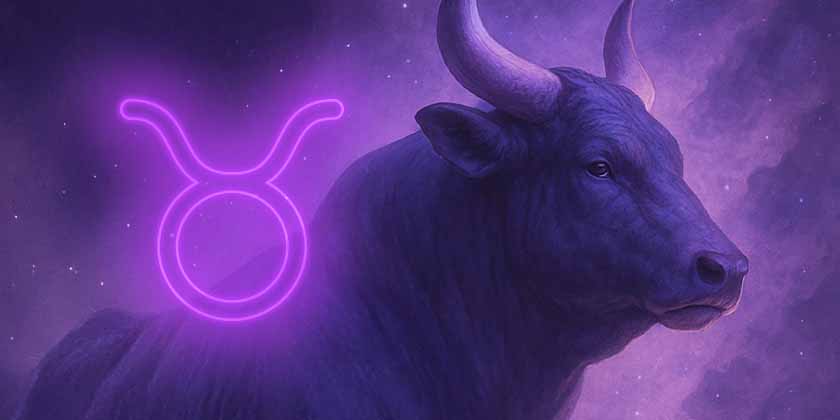
The sign of Taurus is represented by a bull, an ox, or a cow: a heavy animal, with strong traction and great usefulness in plowing. The image is directly associated with the agricultural cycle, planting, and tasks in which animals of great physical strength were indispensable.
The Taurus glyph is the stylization of the animal’s face, with small curved horns drawn in a simple and easily recognizable way. More than brute force, the bull symbolizes stability, perseverance, and connection with the earth: fertile soil that, when cultivated with patience, returns abundance.
Learn more about the Taurus sign
Gemini symbol: the Twins
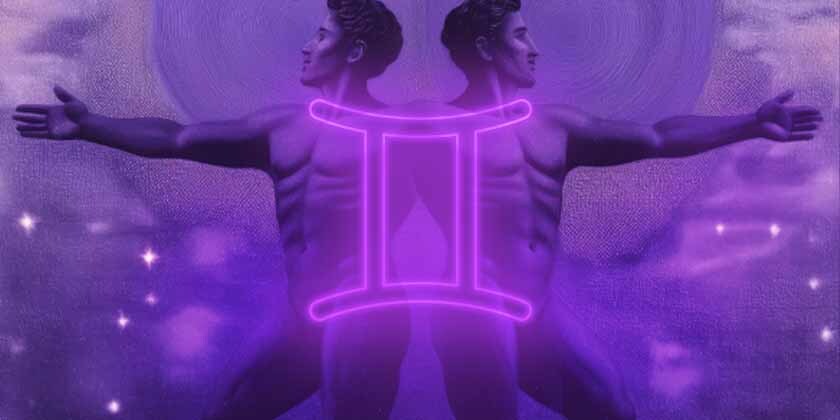
The symbol of Gemini is the image of two twin brothers, or of a man and a woman in a nuptial dance, representing the union of active and receptive principles. The image appears in Mesopotamian zodiacs marking the transition between spring and summer.
The glyph is composed of two vertical lines that symbolize the two twins, with horizontal lines representing the connection between them. Gemini is the metaphor of duality, mutability, ideas that cross paths, and knowledge that spreads.
Learn more about the Gemini sign
Cancer symbol: the Crab
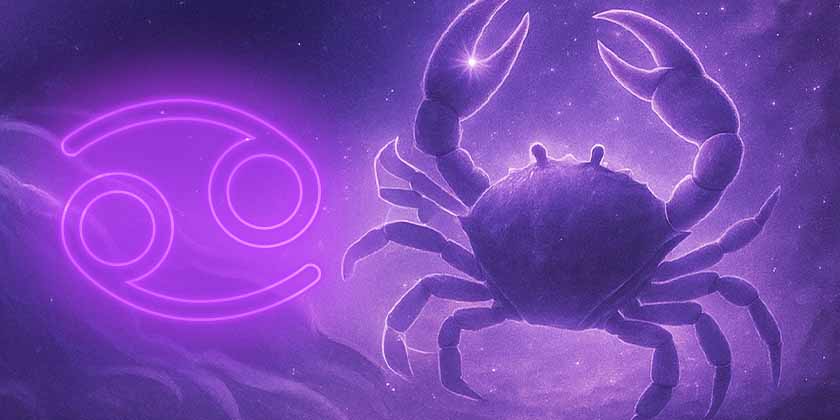
Cancer is represented by a crab, a lobster, or another crustacean: creatures born from heat and humidity, associated with the idea of spontaneous generation with the arrival of summer.
The Cancer glyph refers to the reversal of the Sun’s movement in the celestial sphere, marking the turning point of the solar year, or also to the curved shapes and claws of crustaceans common at that time. Cancer is seen as the sign of nourishment, memory, and care: the inner home we carry and the discreet strength of those who care in silence.
Learn more about the Cancer sign
Leo symbol: the Lion
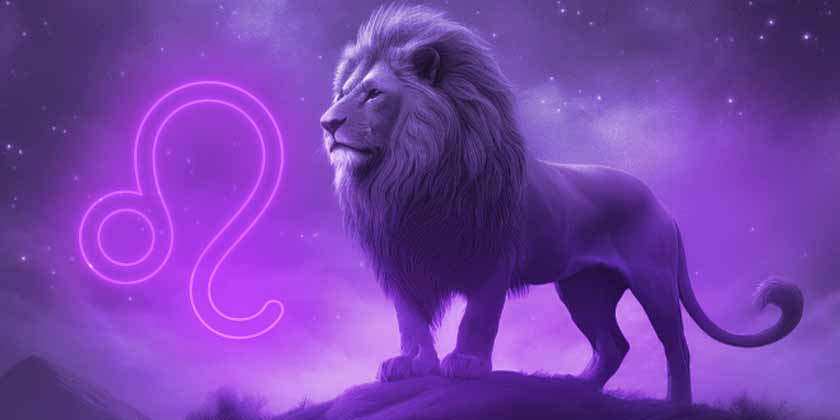
Represented by a feline, such as a lion, panther, or leopard, the image is associated with the central month of summer in the Northern Hemisphere. It appears in Akkadian, Sumerian, and Babylonian zodiacs, representing the strength, vitality, and power radiated by the Sun at the height of summer.
The Leo glyph refers to the simplest part to draw: the animal’s tail, curved and expressive. Leo is the heart of the zodiac: solar, generous, and creative. Like the Sun, it does not ask permission to shine.
Learn more about the Leo sign
Virgo symbol: the Maiden
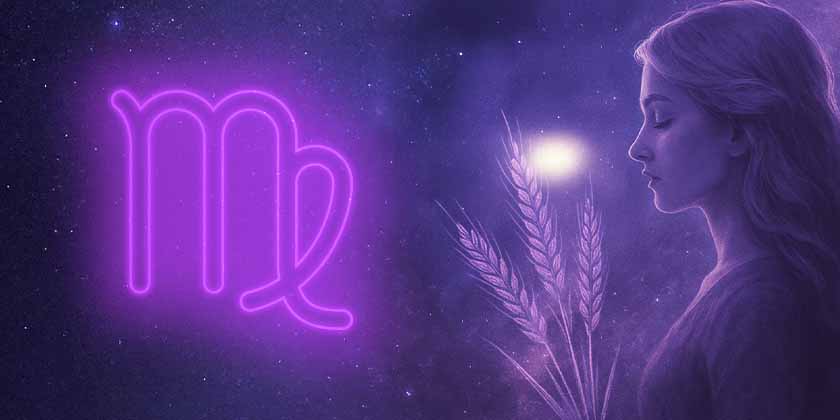
The symbol of Virgo is a bundle of harvested rice or wheat, sometimes carried by a young woman, the thresher. The image appears in records prior to Mesopotamia under the name "ama" — the mother, the woman — representing the emergence of crops and the beginning of the harvest.
The Virgo glyph represents these tied bundles of wheat: the three vertical lines symbolize the grains to be threshed, while the small curve represents the cord that binds them. Virgo carries the archetype of natural order, precision, and practical intelligence that organizes and transforms the simple into the essential.
Learn more about the Virgo sign
Libra symbol: the Scales
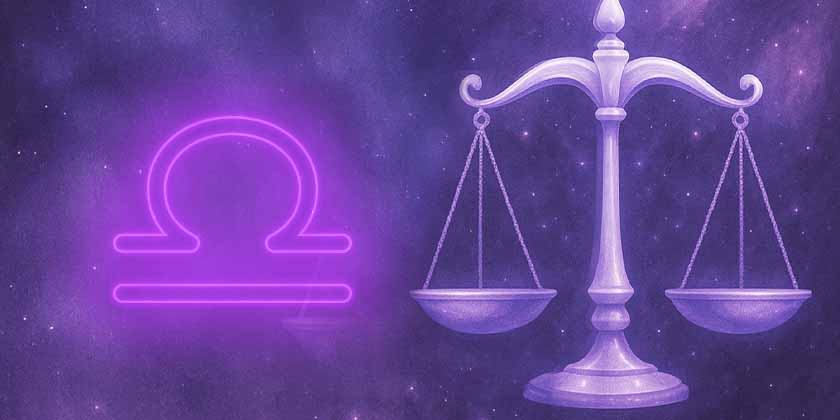
Libra is represented by scales, by a man holding measuring instruments, or by the Sun setting exactly in the middle of a scale, evoking the perfect balance between light and shadow.
The image of the scales was revered since ancient times, associated with the moment when harvests were weighed and divided. The Libra glyph is composed of two horizontal lines: one represents the scales themselves, and the circle in the center symbolizes the Sun setting between the two plates, marking the equinox. Libra is the sign of harmony, fair measure, and the consciousness that recognizes the value of balance.
Learn more about the Libra sign
Scorpio symbol: the Scorpion
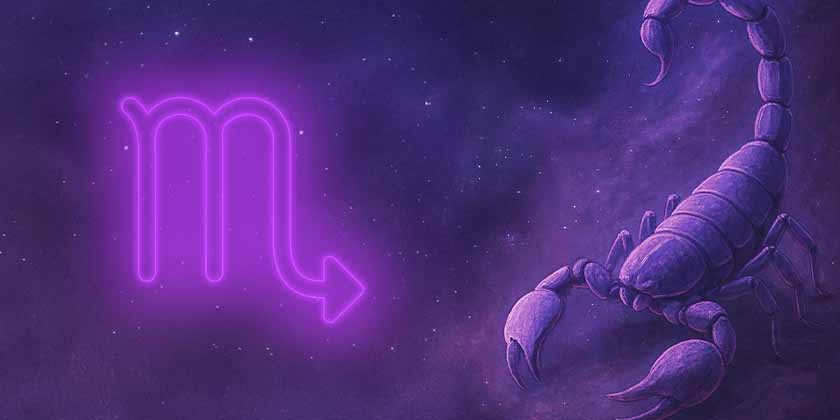
Scorpio is represented by an arachnid, usually the scorpion itself. In some ancient records, it also appears as a human figure in a state of suffering. The image was associated with the slow and gradual death of nature, coinciding with the central month of autumn in the Northern Hemisphere.
The Scorpio glyph is a stylized drawing that represents articulated legs and the curved, venomous stinger. Scorpio is the sign of depths and transformations: what moves in the dark and carries regenerative power.
Learn more about the Scorpio sign
Sagittarius symbol: the Archer
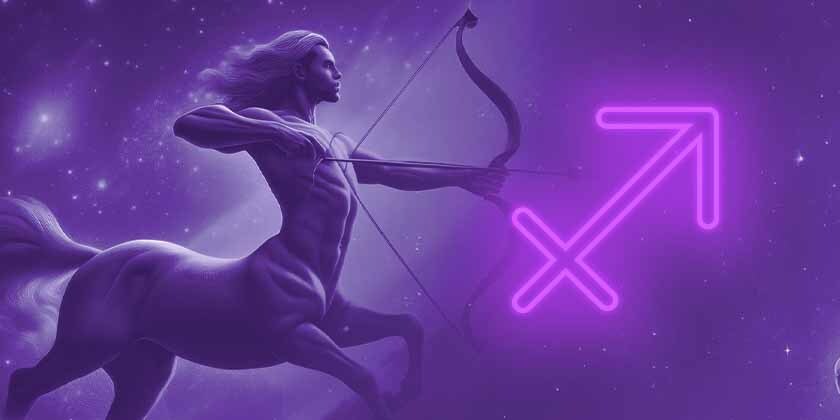
Sagittarius is represented by an arrow or by a centaur, a being with the hindquarters of a horse and the upper body of a human, symbolizing the fusion between instinct and consciousness.
The image of Sagittarius was revered under the name "arrow," representing the hunting period in the month before winter. The glyph focuses on the simplest part to draw: the stylized bow and arrow. Sagittarius is the sign of search, expansion, and freedom: the arrow that points toward distant horizons and greater truths.
Learn more about the Sagittarius sign
Capricorn symbol: the Goat
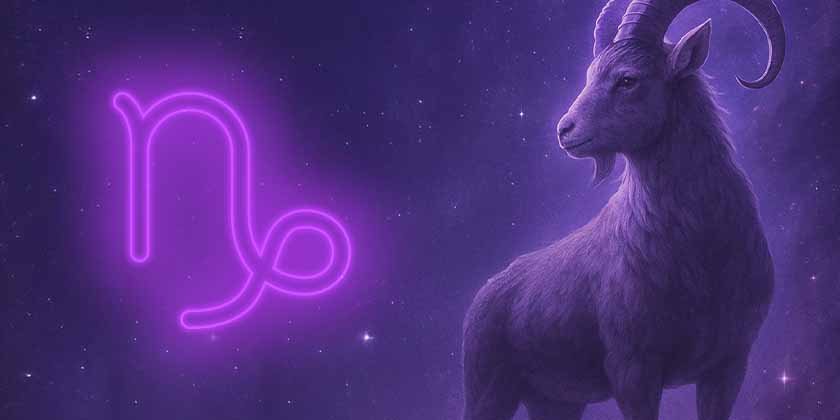
Capricorn was originally represented by a goat with a fish tail, a polymorphic being that symbolizes the transition between two worlds. Over time, this figure was simplified into the mountain goat.
The Capricorn glyph brings the stylization of this goat-fish: a hybrid that expresses the passage from the marine realm to the terrestrial one, referring to adaptation and ascent. Capricorn is the archetype of disciplined ambition: one who emerges from the depths and conquers the heights with perseverance.
Learn more about the Capricorn sign
Aquarius symbol: the Water Bearer
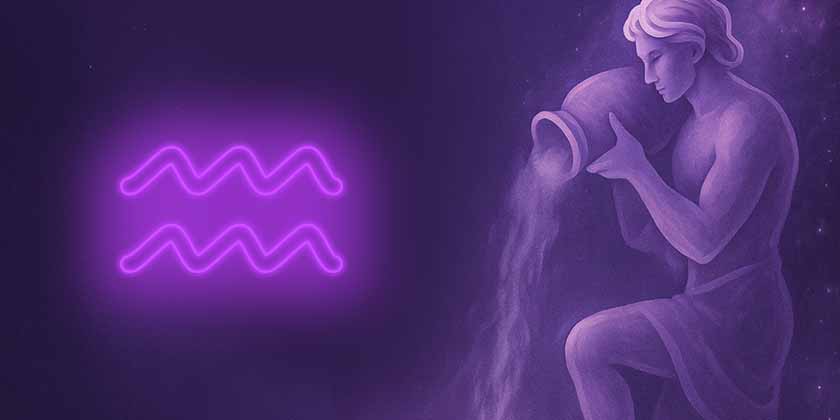
Aquarius is represented by a water bearer who carries or pours water. In some ancient zodiacs, it also appears as a polymorphic being with a fish body and a human head, a symbol of fluid fertility and the distribution of life.
The image was linked to the formation of lakes in the mountains and to the thaw that fed the rivers. The Aquarius glyph represents water being poured, which is quicker than drawing the full figure. Aquarius represents renewal, collective intelligence, and the visionary connection between the intangible and the tangible.
Learn more about the Aquarius sign
Pisces symbol: the Fish
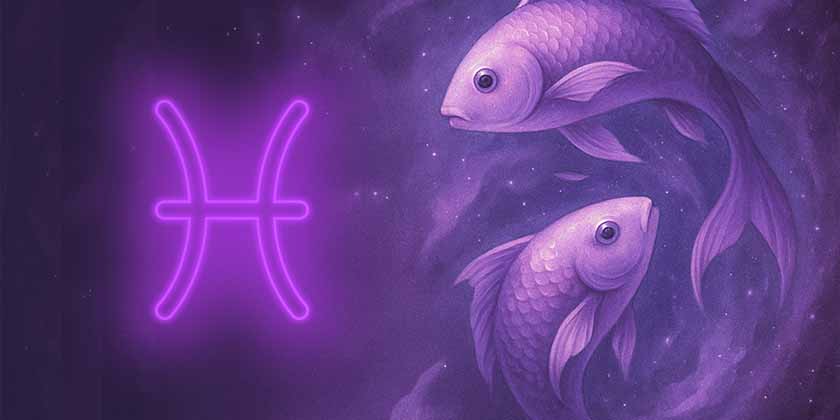
Originally represented by a single fish, the sign of Pisces gained a second one and became known as "Pisces," referring to the pair joined by a cord. The image referred to the period when fish appeared in riverbeds, fed by thawing waters that descended from the mountains after Aquarius.
The Pisces glyph is composed of two curved lines representing the fish and a line connecting them: a clear symbol of union, flow, and integration. Pisces closes the zodiac cycle as the sign of dissolution, sensitivity, and communion with the whole.
Learn more about the Pisces sign
Why do glyphs still matter today?
Astrological glyphs are not just a visual convention: they are symbolic syntheses that carry centuries of observation, myth, and intention. Knowing them means understanding the visual language of Astrology and realizing that each sign is, above all, an image with history.
In the birth chart, glyphs appear distributed across houses and aspects, building a unique visual map for each person. Recognizing the symbol of each sign is the first step toward reading that map in greater depth.